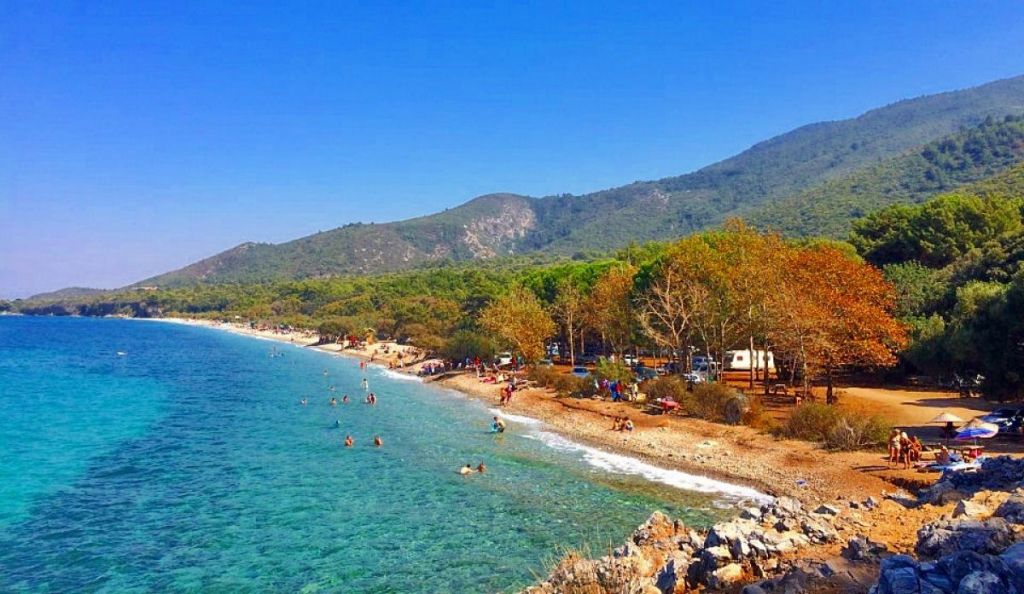
Aydınlık Bay
This cove is known for its clear waters and pebble beach, making it a frequent stop for those swimming in the Aegean. It provides access to shaded areas near the shoreline.
Visit early in the morning to secure a shaded spot.
The ferry route between Kusadasi and Samos operates year-round, but understanding the kusadasi to samos ferry price requires separating the sea crossing from Turkish mainland access. Dilek Peninsula National Park sits on the route between Kusadasi town and the ferry departure point, and many visitors combine both destinations in a single coastal day.
Quick answer
The kusadasi to samos ferry price typically ranges from 35 to 45 EUR per person for a same-day return crossing, depending on the operator and season. Foreign visitors entering Dilek Peninsula National Park pay a 6 EUR conservation fee per person, which is separate from any ferry booking. Ferry departures run daily during summer months, with reduced frequency between November and March. Budget 90 minutes minimum for the one-way sea crossing, plus border processing time on both sides.
Dilek Peninsula National Park occupies the westernmost reach of Turkey's Aegean coast, a forested ridge dropping into translucent bays directly across the strait from Samos. The peninsula forms a natural corridor between Kusadasi and the international ferry terminal, making it a logical stop for travelers bound for the Greek islands. Many visitors underestimate the logistics: the ferry terminal lies 28 kilometers south of Kusadasi center, and the national park entrance sits roughly halfway along that coastal road. The kusadasi to samos ferry price guide matters because it anchors your daily budget. Ferry operators publish rates in euros, and tickets purchased at the pier cost more than advance online bookings. Peak-season sailings—July through September—command premium fares, while shoulder months offer discounts of 15 to 20 percent. The conservation fee for Dilek Peninsula remains fixed year-round at 6 EUR, collected at the park gate in cash or card. If your itinerary includes both the national park and a Samos crossing, factor the park visit into your outbound or return journey rather than treating it as a separate excursion. The strait between Kusadasi and Samos narrows to just 1.6 kilometers at its tightest point, a geographic quirk that keeps crossing times short but border formalities lengthy. Turkish exit stamps and Greek entry procedures add 30 to 45 minutes to each leg of the journey, so a day trip to Samos consumes roughly six hours door-to-door, even though the water crossing itself takes under two hours. Ferries depart Kusadasi in the morning and return from Samos in late afternoon, leaving a window of three to four hours on the island. Visitors planning this route should confirm ferry schedules at least 48 hours in advance, as weather and administrative changes can alter departure times without notice. Dilek Peninsula National Park opens at 08:00 daily, and the recommended arrival window—08:00 to 10:00—aligns poorly with most ferry departure times, which cluster between 09:00 and 10:30. Travelers who prioritize the park over the island crossing should plan a separate morning visit, ideally midweek when both ferry crowds and park visitor numbers drop. The peninsula's trails, beaches, and viewpoints deserve two to three hours minimum, particularly the canyon walk and the bays near Kavakli Burun. Combining the park with a Samos ferry on the same day is possible but rushed, sacrificing either island time or park exploration.
“The strait narrows to 1.6 kilometers at its tightest point, keeping crossing times short but border formalities lengthy.”
Visitors to the region should distinguish between the conservation fee required for Dilek Peninsula National Park and the independent costs associated with cross-border ferry travel. These represent separate logistics and services.
Verdict: A foreign visitor pays a 6 EUR conservation fee to enter the national park, while ferry prices to Samos are determined independently by commercial maritime operators.
Dilek Peninsula National Park welcomes visitors daily throughout the week. The park maintains consistent operational hours to facilitate access for those exploring the area.
The best arrival window for Dilek Peninsula National Park is 08:00–10:00 to maximize your time before peak midday crowds and summer afternoon heat arrive. Visiting early ensures quieter trails and easier access to beach areas.
—
Ideal for those seeking solitude and cooler temperatures before the midday influx.
Warm, average 24°C to 28°C
These months offer pleasant conditions for swimming and hiking before the height of summer.
Hot, often exceeding 33°C
Expect high visitor volume and intense heat, necessitating an early arrival to secure a spot.
Verdict: The optimal time to visit is during the shoulder months of May or June, arriving at the park gates between 08:00 and 10:00 on a weekday.
Dilek Peninsula National Park is located south of the Kusadasi city center near the town of Güzelçamlı. The most direct approach for visitors is via local transit or private vehicle heading toward the park entrance at Güzelçamlı, 09400 Kuşadası/Aydın, Turkey.
Dolmuş from Kusadasi City Center to Güzelçamlı
D515 highway south to Güzelçamlı
Direct route from Kusadasi to National Park entrance
To avoid peak midday crowds and summer afternoon heat, plan your arrival between 08:00–10:00. Use the main park entrance at Güzelçamlı for access to the primary road network.
Dilek Peninsula National Park features diverse coastal zones ranging from accessible swimming coves to protected wilderness trails. Visitors can explore these areas to experience the park's biodiversity and geography.
This cove is known for its clear waters and pebble beach, making it a frequent stop for those swimming in the Aegean. It provides access to shaded areas near the shoreline.
Visit early in the morning to secure a shaded spot.
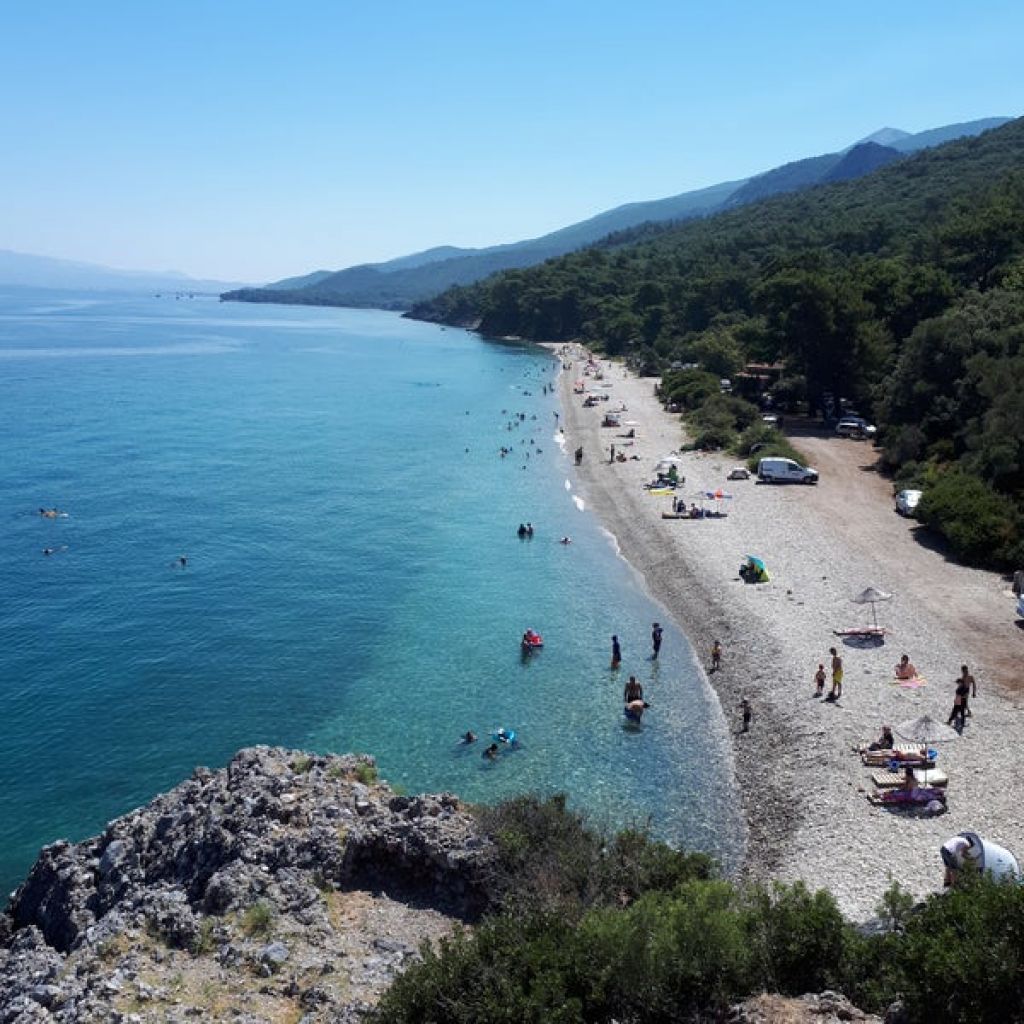
Located further along the main coastal road, this spot is favored for its natural setting and connection to the surrounding pine forests. It serves as a quiet alternative to more crowded entry points.
Walk along the perimeter trail for elevated coastal views.
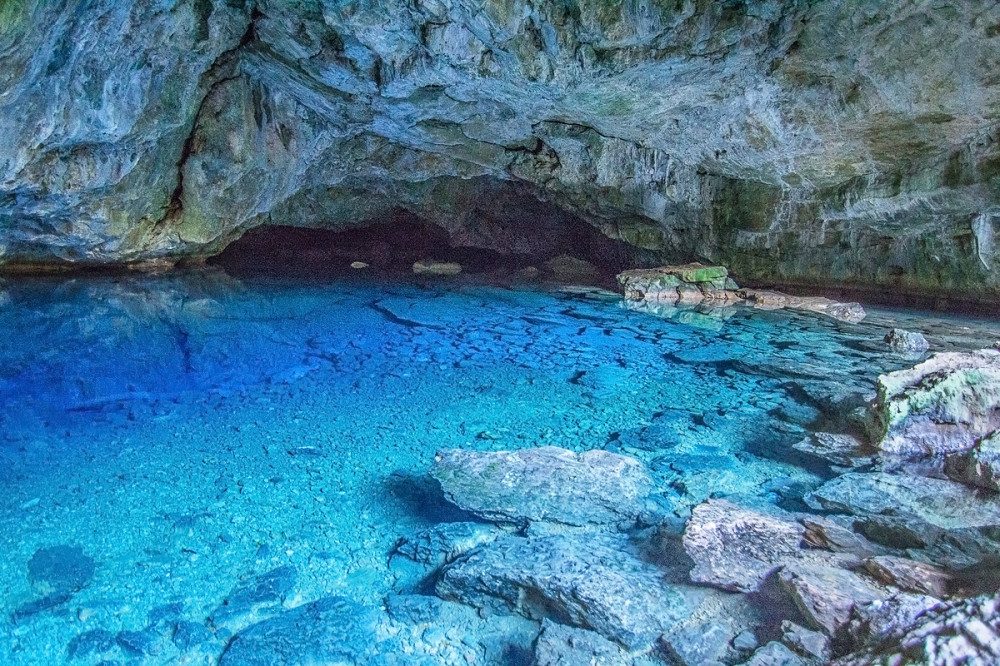
Situated near the park entrance, this subterranean spring is filled with cool, mineral-rich water. The site is accessible via a short walk from the main road.
Touch the cool water before entering the park heat.
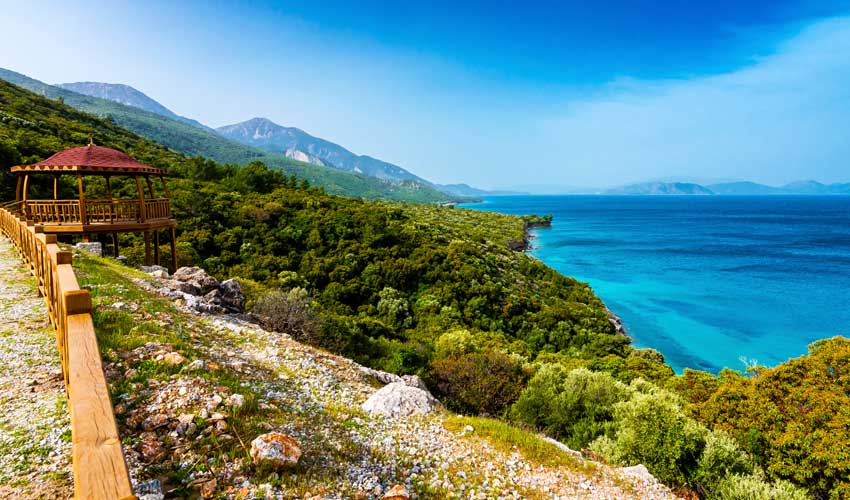
This walking path offers a look at the peninsula's mountainous interior and endemic plant species. The trail provides a contrast to the coastal zones of the park.
Bring sturdy footwear for the uneven terrain on slopes.
Everything you need to know about kusadasi to samos ferry price
The kusadasi to samos ferry price typically fluctuates based on the operator and current demand. It is recommended to check official carrier websites or our integrated booking tool for the most accurate, real-time fare information.
Yes, the kusadasi to samos ferry price often increases during the peak summer months due to high demand. Booking in advance is a practical strategy to secure the best available rates for your travel dates.
While these are separate destinations, many travelers combine a coastal visit to Dilek Peninsula with an island excursion. Planning both ensures you have enough time to enjoy the nature park's trails before heading to the port.
You cannot purchase a ticket directly through this informational page, but our booking widget allows you to compare current prices securely. Always verify the total cost including taxes and port fees before completing your transaction.
The ferry schedule to Samos is separate from the operations at Dilek Peninsula National Park. Please ensure your travel itinerary accounts for the necessary travel time between the national park in Güzelçamlı and the main Kusadasi port.
Some operators offer reduced rates for children, students, or seniors, which may influence the effective kusadasi to samos ferry price. Always review the specific fare conditions provided by the ferry company during the checkout process.
The boat trip to Samos usually takes between 45 and 90 minutes depending on the specific vessel and weather conditions. High-speed catamarans provide the fastest connection across the Aegean Sea.